

Periodontal plastic surgery is a dental procedure that improves the look and health of your gums. Many people choose this surgery to fix gum problems or to enhance their smile. In fact, healthy gums are important for strong teeth and overall oral health. If you have concerns about your gums, you may wonder if periodontal plastic surgery is right for you. This guide will help you understand what to expect and how it can help.
What is Periodontal Plastic Surgery?
Periodontal plastic surgery is a group of treatments that change or repair the gums. Dentists use these procedures to fix gum shape, cover exposed roots, or fill in gaps. For example, gum reshaping and gum grafting are common types of this surgery. These treatments can improve both the look and function of your gums. According to the American Dental Association, healthy gums protect your teeth and help you chew and speak well.
Common Reasons for Periodontal Plastic Surgery
People choose periodontal plastic surgery for many reasons. Sometimes, it is for health. Other times, it is for appearance. Here are some common reasons:Gum recession, where gums pull away from teethUneven gum lines that affect your smileExposed tooth roots causing sensitivityGaps or spaces between teeth and gumsThick or bulky gums covering too much of the teethImproving results after other dental treatments
Because these issues can affect your confidence and oral health, many people seek help from a dental specialist.
Symptoms and Signs Indicating Need for Surgery
It is important to notice signs that may mean you need periodontal plastic surgery. Early action can prevent bigger problems. Look for these symptoms:Gums that bleed easily when brushing or flossingTeeth that look longer than beforeSensitive teeth, especially near the gum lineSwollen or red gumsGaps forming between teeth and gumsPain or discomfort when eating hot or cold foods
If you notice any of these signs, you should see a dentist soon. Early treatment can make recovery easier.
Diagnosis and Consultation Process
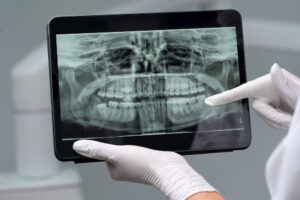
First, your dentist will check your mouth and gums. They may ask about your symptoms and dental history. Next, they might take X-rays to see the bone and roots. Sometimes, they measure your gums to check for recession or pockets. After this, your dentist will explain your options. They will answer your questions and help you decide if surgery is needed. Because every mouth is different, a personal consultation is important.
Treatment Options and Procedures
There are several types of periodontal plastic surgery. Your dentist will choose the best one for your needs. Common procedures include:Gum Grafting: Tissue is added to cover exposed roots or build up thin gums.Gum Reshaping (Contouring): Extra gum tissue is removed to create an even gum line.Crown Lengthening: Gums are moved to show more of the tooth for cosmetic or health reasons.Pocket Reduction: Deep spaces between teeth and gums are cleaned and reduced.
Each procedure is done with care to improve both health and appearance. Most surgeries use local anesthesia, so you stay comfortable. For more details, the American Dental Association offers helpful guides on these treatments.
Recovery and Aftercare Tips
After surgery, proper care helps you heal faster. Here are some tips for a smooth periodontal surgery recovery:Follow your dentist’s instructions closelyEat soft foods for a few daysAvoid hot, spicy, or crunchy foodsBrush gently around the treated areaUse any prescribed mouthwash or medicationDo not smoke, as it slows healingAttend all follow-up visits
Because healing times vary, always check with your dentist if you have pain or swelling.
Prevention and Oral Hygiene Guidance
Good oral care can help prevent gum problems. Even after surgery, it is important to protect your gums. Try these simple steps:Brush your teeth twice a day with a soft brushFloss daily to remove food and plaqueVisit your dentist for regular cleaningsEat a balanced diet for healthy gumsAvoid tobacco products
Because prevention is easier than treatment, these habits can keep your gums healthy for years.
Risks and Potential Complications
Like any surgery, periodontal plastic surgery has some risks. However, most people recover well. Possible risks include:Swelling or pain after surgeryInfection at the surgery siteBleeding or slow healingChanges in gum color or shapeTooth sensitivity
Because your dentist is trained to manage these risks, problems are rare. Still, always follow aftercare advice and report any concerns quickly.
In summary, periodontal plastic surgery can improve your gum health and your smile. If you have gum concerns or want to know more, consult a dental specialist to discuss if periodontal plastic surgery is right for you.