

Many people wonder, “Do all teeth crack in a similar way?” Understanding the types of tooth cracks, cracked tooth symptoms, and dental crack causes can help you protect your smile. While some cracks are small, others can be serious. Knowing the signs and causes is important for early treatment. In this blog, we will explore the different ways teeth can crack, what symptoms to watch for, and how dentists near you can help.
What Does It Mean When a Tooth Cracks?
A cracked tooth means there is a split or break in the tooth’s hard surface. Sometimes, the crack is tiny and hard to see. Other times, it can go deep into the tooth. Even small cracks can cause pain or lead to bigger problems. Because cracks can let in bacteria, they may cause infection if not treated. Early care is important to keep your teeth healthy.
Types of Tooth Cracks
Not all tooth cracks are the same. In fact, dentists have found several types. Each type can affect your tooth differently. Here are the main types of tooth cracks:Craze lines: These are tiny cracks on the outer layer. They are common and usually do not hurt.Fractured cusp: This crack happens around a dental filling. It may break off a small piece of the tooth.Cracked tooth: The crack runs from the chewing surface down toward the root. It may not split the tooth in two.Split tooth: The tooth splits into two parts. This type often needs more care.Vertical root fracture: The crack starts at the root and moves upward. It is harder to spot and may cause infection.
Do All Teeth Crack the Same Way?
Not all teeth crack in the same way. For example, back teeth (molars) often crack from chewing hard foods. Front teeth may crack from injury or biting on hard objects. Also, the type of crack can depend on the tooth’s shape and use. Some cracks are shallow, while others go deep. Because each tooth is different, the way it cracks can vary. Dentists use special tools to find out how and where a tooth has cracked.
Common Causes of Tooth Cracks
There are many reasons why teeth crack. Some causes are more common than others. Here are the top causes:Chewing hard foods like ice, nuts, or hard candyGrinding or clenching your teeth, especially at nightInjury to the mouth, such as a fall or sports accidentLarge fillings that weaken the toothSudden changes in mouth temperature, like eating something hot then coldAge, as teeth can become weaker over time
According to the American Association of Endodontists, cracked teeth are a leading cause of tooth loss in adults.
Symptoms of a Cracked Tooth
Sometimes, a cracked tooth does not cause pain right away. However, you may notice some signs. Watch for these symptoms:Pain when chewing or bitingSensitivity to hot, cold, or sweet foodsSwelling of the gum around the toothSharp pain that comes and goesFeeling that something is stuck between your teeth
If you notice any of these symptoms, it is important to see a dentist near you soon.
Diagnosis: How Dentists Identify Tooth Cracks
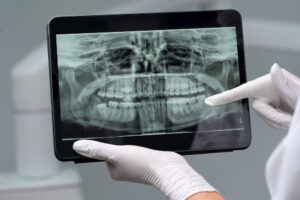
Dentists use several methods to find tooth cracks. First, they will ask about your symptoms. Next, they may use a bright light or magnifying glass to look for cracks. Sometimes, they use dental dye to make cracks easier to see. X-rays can help, but not all cracks show up on X-rays. Dentists may also use a special tool to test for pain when you bite down. Because early diagnosis helps prevent bigger problems, regular dental checkups are important.
Treatment Options for Cracked Teeth
Treatment depends on the type and depth of the crack. Here are some common options:Bonding: Dentists use a tooth-colored resin to fill small cracks.Crown: A cap covers and protects the cracked tooth.Root canal: This treats cracks that reach the tooth’s pulp (soft center).Extraction: If the crack is severe, the tooth may need to be removed.
Your dentist will choose the best treatment based on your needs. Early care can save your tooth in many cases.
Prevention Tips for Tooth Cracks
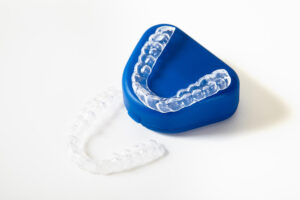
While not all cracks can be avoided, you can lower your risk. Try these tips:Do not chew on hard objects like ice or pensWear a mouthguard during sportsUse a nightguard if you grind your teethVisit your dentist for regular checkupsFix cavities or old fillings as soon as possiblePractice good oral hygiene every day
Because prevention is easier than treatment, these steps can help keep your teeth strong.
Consult a dentist for personalized advice if you suspect a cracked tooth.