

Are invisible aligners as good as braces? Many people ask this when choosing orthodontic treatment options. Today, you have more choices than ever. You might wonder about invisible aligners vs braces, clear aligners effectiveness, and which option fits your needs best. This guide will help you understand both treatments. We will compare their benefits, costs, comfort, and more. By the end, you will know which option may suit your smile.
What Are Invisible Aligners?
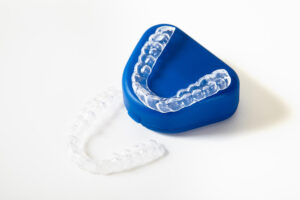
Invisible aligners are clear, plastic trays that fit over your teeth. They gently move your teeth into better positions. Because they are see-through, most people will not notice you are wearing them. Popular brands include Invisalign and ClearCorrect. Many teens and adults choose aligners for their subtle look. According to the American Association of Orthodontists, clear aligners are a safe and effective option for many people.
What Are Traditional Braces?
Traditional braces use metal brackets and wires to straighten teeth. Dentists or orthodontists attach the brackets to your teeth. Then, they connect the brackets with a thin wire. Over time, the wire is adjusted to move your teeth. Braces have been used for decades. They are known for treating even the most complex dental problems.
How Do Invisible Aligners Work?
First, your orthodontist takes a scan or mold of your teeth. Next, a series of custom aligners are made just for you. You wear each set of aligners for about two weeks. Each new set moves your teeth a little more. You should wear the aligners for 20 to 22 hours each day. You only remove them to eat, drink, or clean your teeth. As a result, your teeth slowly shift into place.
How Do Braces Work?
Braces work by applying steady pressure to your teeth. The brackets and wires guide your teeth into better positions. Your orthodontist will adjust the wires every few weeks. This helps move your teeth in the right direction. Braces stay on your teeth all the time. You cannot remove them until your treatment is done.
Effectiveness: Invisible Aligners vs Braces
Both invisible aligners and braces can straighten teeth. However, braces are often better for complex cases. For example, if you have severe crowding or bite problems, braces may work best. On the other hand, invisible aligners are great for mild to moderate issues. Studies in dental journals show that aligners are effective for many people. But, they may not fix every problem. Your orthodontist can help you decide which is right for you.
Pros and Cons of Invisible Aligners
Pros:Almost invisible when wornRemovable for eating and cleaningFewer office visits neededNo food restrictionsCons:Must be worn 20-22 hours dailyNot ideal for severe dental issuesCan be lost or damaged easilyMay cause a slight lisp at first
Pros and Cons of Braces
Pros:Works for all types of dental problemsAlways on, so no risk of forgettingMany color and style optionsCons:Very noticeable on teethHarder to clean teeth and gumsFood restrictions (no sticky or hard foods)May cause mouth sores or discomfort
Cost Comparison
Cost is a big factor for many families. In general, invisible aligners and braces cost about the same. However, prices can vary by location and case complexity. On average:Invisible aligners: $3,000 to $7,000Traditional braces: $2,500 to $7,500
Insurance may cover part of the cost for both options. Always check with your provider before starting treatment.
Comfort and Aesthetics
Many people choose invisible aligners for their comfort and look. Because they are smooth and clear, they do not irritate your mouth as much. Braces, however, can cause sore spots or cuts. Also, braces are easy to see, while aligners are almost invisible. If you want a subtle look, aligners may be the better choice.
Maintenance and Oral Hygiene
Good oral hygiene is important during orthodontic treatment. With aligners, you can brush and floss as usual. You simply remove the trays before cleaning your teeth. Braces, on the other hand, make brushing and flossing harder. Food can get stuck around the brackets and wires. You may need special tools to keep your teeth clean with braces.
Who Is a Good Candidate?
Invisible aligners work best for teens and adults with mild to moderate dental issues. If you have crowded, spaced, or slightly crooked teeth, aligners may help. Braces are better for children or anyone with severe bite or alignment problems. Your orthodontist will check your teeth and suggest the best option for you.
Summary Table: Aligners vs Braces
Appearance: Aligners are clear; braces are visibleRemovability: Aligners can be removed; braces cannotComfort: Aligners are smoother; braces may cause soresEffectiveness: Both work well; braces handle complex cases betterOral Hygiene: Easier with aligners; harder with bracesCost: Similar for both optionsFood Restrictions: None with aligners; some with braces
Frequently Asked Questions
Do invisible aligners hurt? Most people feel mild pressure at first, but pain is rare.How long does treatment take? Both options usually take 12 to 24 months, but it depends on your needs.Can I eat with aligners in? No, you should remove them before eating or drinking anything but water.Are aligners safe for kids? Aligners are best for teens and adults. Braces are often better for young children.Will insurance cover my treatment? Many dental plans cover part of the cost. Check with your provider for details.
Conclusion and Expert Advice
Both invisible aligners and braces can give you a healthy, straight smile. Each option has unique benefits and drawbacks. While aligners are discreet and easy to clean, braces are better for tough cases. Ultimately, your choice depends on your needs and lifestyle. Consult a licensed orthodontist to find the best treatment for your smile.