

Many people wonder, do all teeth crack in a similar way? Understanding how teeth crack is important for keeping your mouth healthy. Cracked teeth can cause pain, trouble chewing, or even tooth loss if not treated. Knowing the types, causes, and signs of cracked teeth helps you protect your smile.
Types of Tooth Cracks
Not all tooth cracks are the same. In fact, dentists see several types. Each type affects the tooth differently. Here are the main types:Craze Lines: These are tiny cracks in the outer layer of the tooth. They are common and often harmless.Fractured Cusps: This type happens when a piece of the chewing surface breaks off. It usually does not reach the tooth’s nerve.Cracked Tooth: The crack runs from the chewing surface toward the root. It may not split the tooth in two.Split Tooth: Here, the tooth is split into two parts. This often happens if a cracked tooth is not treated.Vertical Root Fractures: These cracks start in the root and move upward. They are harder to spot and may cause gum swelling.
Causes of Tooth Cracks
Many things can cause teeth to crack. Some cracks happen suddenly, while others develop over time. Common causes include:Biting down on hard foods, like ice or nutsInjury or trauma to the mouthGrinding or clenching your teeth, especially at nightLarge fillings that weaken the toothSudden changes in mouth temperature, such as eating something hot then drinking something coldAge, since teeth can weaken as we get older
Do All Teeth Crack the Same Way?
Teeth do not all crack in the same way. In fact, the way a tooth cracks depends on its location, shape, and job in your mouth. For example, front teeth are thinner and used for cutting food. They are more likely to get small cracks from biting hard objects. Back teeth, called molars, are wider and used for chewing. Because they handle more pressure, they often develop deeper cracks or fractured cusps.
Additionally, teeth with large fillings or root canals may crack more easily. Each tooth faces different forces, so the type of crack can vary. Understanding these differences helps dentists choose the best treatment.
Symptoms and Warning Signs of Cracked Teeth
Sometimes, cracked teeth do not cause pain right away. However, you should watch for these warning signs:Pain when biting or chewing, especially when releasing the biteSensitivity to hot, cold, or sweet foodsSwelling of the gum near the cracked toothSharp pain that comes and goesFeeling like something is stuck between your teeth
If you notice any of these symptoms, it is important to see a dentist soon. Early treatment can prevent bigger problems.
Diagnosis: How Dentists Identify Different Types of Cracks
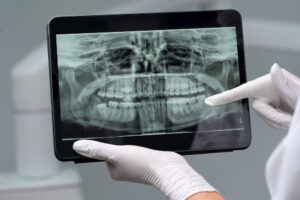
Diagnosing a cracked tooth can be tricky. Still, dentists use several methods to find and understand cracks:Asking about your symptoms and dental historyExamining your mouth and teeth closelyUsing special lights or dyes to highlight cracksTaking dental X-rays, though small cracks may not show upHaving you bite down on a special tool to find pain points
Because some cracks are hard to see, regular dental check-ups are important. Dentists can spot problems early and suggest the right care.
Treatment Options for Different Types of Tooth Cracks
Treatment depends on the type and size of the crack. Here are common options:Craze Lines: Usually, no treatment is needed. Dentists may polish the tooth for looks.Fractured Cusps: Dentists often repair these with a filling or crown.Cracked Tooth: A crown can protect the tooth. If the crack reaches the nerve, a root canal may be needed.Split Tooth: Sometimes, the tooth cannot be saved and must be removed.Vertical Root Fractures: These often require removing the tooth, but early cracks may be treated if found soon.
Prompt care helps save your tooth and prevent infection. For cracked tooth treatment near you, contact your local dentist.
Prevention Tips to Avoid Tooth Cracks
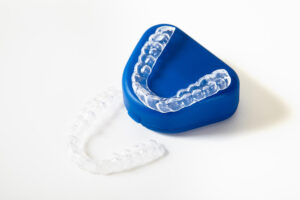
While not all cracks can be avoided, you can lower your risk. Try these tips:Do not chew on hard objects, like ice or pensWear a mouthguard if you grind your teeth at nightUse a mouthguard during sportsVisit your dentist for regular check-upsFix cavities and large fillings earlyAvoid sudden temperature changes in your mouth
By following these steps, you can help keep your teeth strong and healthy.
Conclusion
To sum up, not all teeth crack in a similar way. The type of crack depends on the tooth’s job, shape, and health. Early signs may be mild, but quick action can save your tooth. If you suspect a cracked tooth, consult a dentist for personalized advice and treatment.