

Introduction
Many people wonder, “Are intraoral scanners easy to use?” Dental technology has changed a lot in recent years. Now, digital tools like intraoral scanners help dentists and patients. In this guide, you will learn what these scanners are, how they work, and if they are user-friendly. We will also look at their benefits and what you can expect during a scan.
What Are Intraoral Scanners?
Intraoral scanners are small, handheld devices used by dentists. They take digital pictures of your teeth and mouth. Instead of using messy molds, dentists use these scanners to make digital impressions. This process is quick and comfortable. According to the American Dental Association, digital impressions are becoming more common in dental offices.
How Do Intraoral Scanners Work?
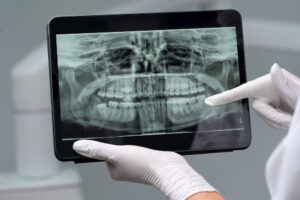
First, the dentist gently moves the scanner inside your mouth. The scanner takes many pictures in seconds. Next, these images combine to create a 3D model of your teeth. This model helps dentists plan treatments or make dental devices. The process is simple and does not cause pain.The dentist prepares your mouth for scanning.The scanner is placed inside your mouth.Images are captured quickly and shown on a screen.The 3D model is ready within minutes.
Are Intraoral Scanners Easy to Use?
Many people ask, “Are intraoral scanners easy to use?” For dental professionals, these scanners are designed to be user-friendly. Most devices have simple controls and clear screens. With a little training, dentists and their teams can use them well. For patients, the process is easy and comfortable. You only need to open your mouth while the dentist scans. There is no need to bite into sticky molds. For example, children and adults often prefer this method because it feels quick and gentle.
Benefits of Intraoral Scanners
Intraoral scanner benefits are many. Here are some key advantages:Comfort: No messy molds or bad tastes in your mouth.Speed: Scans take just a few minutes.Accuracy: Digital impressions are often more precise than traditional ones.Better Communication: Dentists can show you clear images of your teeth.Eco-Friendly: Less waste compared to old methods.
Because of these benefits, many dental offices now use intraoral scanners to improve the dental patient experience.
Potential Challenges
Although intraoral scanners are user-friendly, there can be a learning curve for dental staff. Some people may need time to get used to the new technology. Also, scanners may not work well if there is too much saliva or if the mouth is very small. However, most dentists quickly learn to use these tools with practice.
Patient Experience
During a scan, you will sit in the dental chair as usual. The dentist will ask you to open your mouth. Then, the scanner is gently moved around your teeth. You may see your teeth appear on a screen in real time. The process is fast and does not hurt. Most patients say it is much easier than old methods. If you feel nervous, let your dentist know. They can explain each step and help you feel at ease.
Conclusion and Advice
In summary, intraoral scanners are easy to use for both dentists and patients. They offer many benefits, such as comfort, speed, and accuracy. While there may be a short learning period for dental teams, most people find the process simple. If you are curious about digital impressions or want to improve your dental experience, consult your dentist to learn if intraoral scanners are right for your dental care needs.