

Introduction: Understanding Unhygiene on Systemic Health
Poor oral hygiene can do more than harm your teeth. It can also affect your whole body. The term “unhygiene on systemic health” means that not caring for your mouth may lead to problems in other parts of your body. For example, bacteria from your mouth can travel and cause issues elsewhere. Because of this, good oral care is important for both your mouth and your overall health. In this blog, you will learn how oral hygiene and systemic health are linked, the risks of poor oral hygiene, and simple tips to stay healthy.
What Is Oral Unhygiene?
Oral unhygiene means not keeping your mouth clean. This includes not brushing or flossing your teeth, skipping dental check-ups, and ignoring gum health. Over time, this can lead to plaque buildup, tooth decay, and gum disease. In many cases, people may not notice problems until they become serious. However, even small issues can grow if left untreated. According to the CDC, regular oral care helps prevent these problems and keeps your mouth healthy.
How Oral Unhygiene Affects Systemic Health
Many people do not realize that the mouth is connected to the rest of the body. When you have poor oral hygiene, harmful bacteria can enter your bloodstream. As a result, these bacteria may cause inflammation in other organs. For instance, studies show a link between oral hygiene and heart disease. In addition, poor oral care can make it harder to manage diabetes. Because of these risks, keeping your mouth clean is key for your whole body.
Common Systemic Diseases Linked to Poor Oral Hygiene
Research shows that oral hygiene and systemic health are closely related. Some diseases linked to poor oral hygiene include:Heart disease: Bacteria from gum disease can affect your heart and blood vessels.Diabetes: Gum disease can make blood sugar harder to control.Respiratory infections: Inhaling bacteria from the mouth can lead to lung problems.Pregnancy complications: Poor oral health may increase the risk of low birth weight or early birth.
According to the American Dental Association, these links show why oral health tips are important for everyone.
Symptoms and Warning Signs
It is important to notice early signs of poor oral hygiene. Some common symptoms include:Bleeding or swollen gumsBad breath that does not go awayLoose teethPain when chewingReceding gums
If you notice these signs, you should take action. Early care can prevent bigger health problems later.
Prevention and Oral Care Tips
Good oral hygiene and systemic health go hand in hand. To keep your mouth and body healthy, try these tips:Brush your teeth twice a day with fluoride toothpasteFloss daily to remove food and plaqueVisit your dentist every six monthsEat a balanced diet and limit sugary snacksAvoid tobacco productsDrink plenty of water to wash away bacteria
In the US, many dental clinics offer free oral health tips and check-ups. Following these steps can lower your risk of both oral and systemic diseases.
When to See a Dentist
Sometimes, home care is not enough. You should see a dentist if you have:Persistent tooth painBleeding gums that do not stopLoose or missing teethSigns of infection, such as swelling or pus
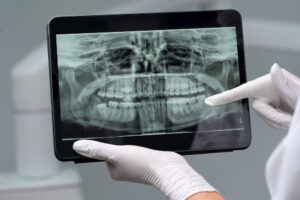
Even if you feel fine, regular dental visits are important. Dentists can spot problems early and give advice on oral hygiene and systemic health.
Consult a dental specialist for personalized advice on maintaining both oral and overall health.