

Introduction
Have you ever felt sudden pain when biting down? Diagnosing a fractured or cracked tooth can be tricky, but it is important for your dental health. Early detection helps prevent bigger problems. In this blog, you will learn about symptoms, causes, diagnosis, and treatment options for cracked teeth. We will also share tips to keep your teeth safe and healthy.
What Is a Fractured or Cracked Tooth?
A fractured or cracked tooth means there is a break or split in the tooth. Sometimes, the crack is small and hard to see. Other times, it can go deep into the tooth. Even a tiny crack can cause pain or lead to infection. According to the American Dental Association, cracked teeth are a common reason for tooth loss in adults.
Common Symptoms
Recognizing the signs early can help you get the right care. However, symptoms may not always be obvious. Look out for these common signs:Pain when chewing or biting, especially when you release the biteSudden sensitivity to hot, cold, or sweet foodsSwelling of the gum around the toothDiscomfort that comes and goesA visible crack or line on the toothSharp pain when eating certain foods
Sometimes, you may not feel any pain at all. But, even without pain, a cracked tooth can still get worse over time.
Causes and Risk Factors
Many things can cause a tooth to crack. Understanding these causes can help you avoid future problems. Here are some common reasons:Biting down on hard foods like ice, nuts, or hard candyGrinding or clenching your teeth, especially at nightLarge fillings that weaken the tooth structureSudden changes in mouth temperature, such as eating something hot then drinking something coldInjury to the mouth from sports or accidentsAge, as teeth can become weaker over time
For example, people who play contact sports without a mouthguard have a higher risk. Also, older adults are more likely to have cracked teeth due to wear and tear.
How Dentists Diagnose a Cracked Tooth
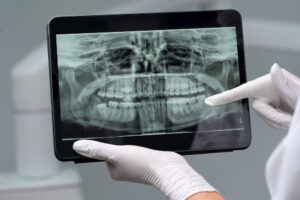
Diagnosing a fractured or cracked tooth is not always easy. Sometimes, cracks are too small to see with the naked eye. Dentists use several methods to find the problem:Asking about your symptoms and dental historyExamining your mouth and teeth closelyUsing dental dye to highlight cracksTaking X-rays to check for hidden damageTesting your bite to see if pain occurs
According to the American Dental Association, early diagnosis can help save your tooth. Therefore, regular dental check-ups are important, even if you do not feel pain.
Treatment Options
Treatment depends on how deep or severe the crack is. Your dentist will suggest the best option for your case. Here are some common treatments:Bonding: The dentist uses a tooth-colored resin to fill the crack.Crown: A cap covers the tooth to protect it and restore its shape.Root canal: If the crack reaches the tooth’s pulp, a root canal may be needed to remove damaged tissue.Extraction: If the tooth cannot be saved, it may need to be removed.
In many cases, early treatment can save your tooth and prevent infection. Always follow your dentist’s advice for the best results.
Prevention Tips
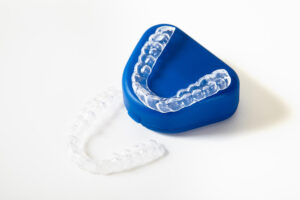
While not all cracks can be avoided, you can lower your risk with these tips:Wear a mouthguard during sports or if you grind your teeth at nightAvoid chewing on hard objects like ice or pensDo not use your teeth to open packagesVisit your dentist regularly for check-upsPractice good oral hygiene by brushing and flossing daily
Additionally, eating a healthy diet can help keep your teeth strong.
When to See a Dentist
If you notice pain, sensitivity, or a visible crack, see a dentist as soon as possible. Even if symptoms are mild, early care can prevent bigger problems. Remember, diagnosing a fractured or cracked tooth early can save your tooth and protect your smile.
If you suspect a cracked tooth, consult a dentist promptly for accurate diagnosis and treatment.