

Missing teeth can affect your smile and how you eat. Dental bridges are a common solution for replacing one or more missing teeth. They help fill the gap and restore your bite. In this guide, you will learn what dental bridges are, the types available, their benefits, the dental bridge procedure, and important aftercare tips. By understanding these points, you can make the best choice for your dental health.
What Are Dental Bridges?
Dental bridges are fixed dental devices. They replace missing teeth by using the teeth next to the gap for support. Usually, a dental bridge has one or more artificial teeth, called pontics. These are held in place by crowns on the nearby natural teeth or dental implants. Because dental bridges are fixed, you cannot remove them like dentures. They help you chew, speak, and smile with confidence.
Types of Dental Bridges
There are several types of dental bridges. Each type works best for different needs. Your dentist will help you choose the right one. Here are the main types:Traditional Bridge: This is the most common type. It uses crowns on the teeth next to the gap to hold the bridge in place.Cantilever Bridge: This type uses a crown on only one side of the gap. It is used when there is only one natural tooth next to the missing tooth.Maryland Bridge: Instead of crowns, this bridge uses a metal or porcelain frame. The frame is bonded to the back of the nearby teeth.Implant-Supported Bridge: This bridge is held in place by dental implants instead of natural teeth. It is often used when several teeth are missing in a row.
Benefits of Dental Bridges
Dental bridges offer many benefits. They can improve your oral health and quality of life. Some key benefits include:Restore your smile and confidenceHelp you chew and speak betterKeep your remaining teeth from shiftingMaintain the shape of your faceDistribute bite forces evenly
Because dental bridges are fixed, they feel more natural than removable dentures. This can make daily life easier and more comfortable.
The Dental Bridge Procedure: Step-by-Step
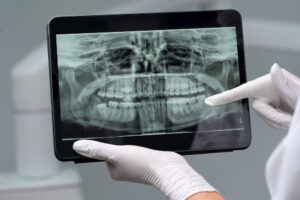
The dental bridge procedure usually takes two or more visits. Here is what you can expect:Consultation: First, your dentist checks your mouth and takes X-rays. This helps decide if a dental bridge is right for you.Preparation: Next, the dentist shapes the teeth next to the gap. These teeth will hold the crowns. Sometimes, a temporary bridge is placed to protect your teeth.Impressions: Then, the dentist takes a mold of your teeth. This helps make a custom bridge that fits well.Placement: At your next visit, the dentist fits the new bridge. They check the fit and make adjustments. Finally, the bridge is cemented in place.
After the procedure, you can eat and speak more easily. However, it is important to follow your dentist’s advice for the best results.
Aftercare Tips for Dental Bridges
Proper care helps your dental bridge last longer. Here are some simple aftercare tips:Brush your teeth twice a day with a soft toothbrushUse floss or special cleaning aids to clean under the bridgeRinse with an antibacterial mouthwashVisit your dentist for regular check-ups and cleaningsAvoid very hard or sticky foods that may damage the bridge
With good care, dental bridges can last 5 to 15 years or even longer. The American Dental Association (ADA) recommends regular dental visits to keep your bridge and natural teeth healthy.
Potential Risks and How to Prevent Them
Dental bridges are safe for most people. Still, there are some risks to know about. These include:Tooth decay under the crownsGum disease around the bridgeBridge becoming loose or damaged
To prevent these problems, always follow good oral hygiene. In addition, see your dentist if you notice pain, swelling, or changes in your bite. Early care can stop small issues from becoming big problems.
Frequently Asked Questions About Dental Bridges
How long do dental bridges last?With proper care, dental bridges can last 5 to 15 years or more.Is the dental bridge procedure painful?Your dentist uses local anesthesia, so you should not feel pain during the procedure. Some mild soreness may occur after.Can I eat normally with a dental bridge?Yes, you can eat most foods. However, it is best to avoid very hard or sticky foods.How do I clean under my dental bridge?Use floss threaders, special brushes, or water flossers to clean under the bridge.Are dental bridges right for everyone?Your dentist will check your teeth and gums to see if a bridge is the best option for you.
In summary, dental bridges are a safe and effective way to replace missing teeth. They can restore your smile and help you enjoy daily life. Consult your dentist to find out if a dental bridge is right for you.