

What Are Mandibular Fractures?
Mandibular fractures are breaks or cracks in the lower jawbone. The mandible is the bone that shapes your lower jaw and holds your bottom teeth. Because the jaw is strong, it takes a lot of force to break it. However, accidents and injuries can still cause mandibular fractures. These injuries are serious and need quick attention. According to the World Health Organization, jaw fractures are among the most common facial bone injuries.
Common Symptoms and Warning Signs
Recognizing jaw fracture symptoms early can help prevent further problems. Some signs may appear right after an injury, while others develop over time. For example, you might notice pain or swelling soon after a fall or blow to the face. Watch for these common symptoms:Pain or tenderness in the jawSwelling or bruising on the faceDifficulty opening or closing the mouthLoose or broken teethJaw feels out of place or crookedNumbness in the chin or lower lipProblems chewing or speakingBleeding inside the mouth
If you notice any of these warning signs, seek help right away. Early treatment can prevent lasting damage.
Leading Causes and Risk Factors
Mandibular fractures often happen because of direct force to the jaw. Still, some people are more at risk than others. Here are the most common causes and risk factors:Car or motorcycle accidentsSports injuries, especially contact sportsFalls, especially in older adults or childrenPhysical fights or assaultsWorkplace accidentsWeak bones from health conditions
In addition, people who do not wear seatbelts or helmets are at higher risk. Children and teens are also more likely to get jaw fractures during play or sports.
Diagnosis: How Mandibular Fractures Are Identified
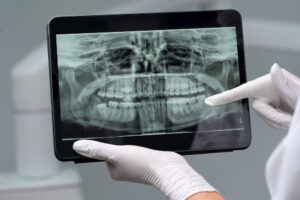
Doctors and dentists use several steps to diagnose mandibular fractures. First, they ask about your injury and symptoms. Next, they examine your jaw and mouth for swelling, bruising, or loose teeth. Then, they may order imaging tests to see the bone clearly. Common tests include:X-rays of the jaw and faceCT scans for detailed imagesPain and nerve tests
With these tools, your healthcare provider can find the exact spot and type of fracture. This helps them choose the best mandibular fracture treatment for you.
Treatment Options and Recovery Process
Treatment for mandibular fractures depends on how severe the break is. Some fractures are simple and heal with rest, while others need surgery. Here are common treatment options:Wiring the jaw shut to keep bones in placePlacing small metal plates or screws to hold the bonePain relief with medicineSoft or liquid diet to avoid chewingRegular check-ups to watch healing
Most people heal in four to eight weeks. However, following your doctor’s advice is key for a smooth recovery. In some cases, physical therapy helps restore jaw movement. Always ask your provider about the best steps for your situation.
Prevention Tips and Lifestyle Guidance
While not all jaw injuries can be avoided, you can lower your risk. Here are some simple ways to help prevent jaw fractures:Wear seatbelts in cars and helmets when biking or playing sportsUse mouthguards during contact sportsKeep floors clear to prevent falls at homePractice safe driving and avoid distractionsStrengthen bones with a healthy diet rich in calcium and vitamin D
By following these tips, you can protect your jaw and overall health. For more advice on how to prevent jaw fractures, talk to your dentist or doctor.
When to Seek Professional Dental or Medical Help
If you suspect a mandibular fracture, do not wait. Seek medical or dental help right away if you have:Severe pain or swelling in the jawBleeding that will not stopDifficulty breathing or swallowingJaw that looks crooked or out of placeNumbness in your chin or lips
Quick care can prevent long-term problems and help you heal faster. Remember, only a trained professional can diagnose and treat mandibular fractures safely.
Conclusion
Mandibular fractures are serious injuries that need prompt care. Knowing the symptoms, causes, and treatment options can help you act fast. If you suspect a mandibular fracture, consult a dental specialist promptly for personalized care.