

What Is Oral Maxillofacial Surgery?
Oral maxillofacial surgery is a special type of surgery for the mouth, jaw, and face. It helps treat many problems, from tooth removal to fixing jaw bones. Many people need this surgery for health or injury reasons. Because it covers both dental and facial issues, it is very important for overall health. Oral maxillofacial surgeons are trained to handle both simple and complex cases.
Common Reasons for Oral Maxillofacial Surgery
People may need oral maxillofacial surgery for many reasons. For example, some have wisdom teeth that cause pain. Others may have jaw problems or facial injuries. Sometimes, doctors suggest surgery to remove tumors or cysts. In addition, some people need help with sleep apnea or facial infections. Each case is unique, so a surgeon will explain the best option for you.
Symptoms and Conditions Treated
Oral maxillofacial surgeons treat many symptoms and conditions. You may need surgery if you have:Severe tooth pain or infectionJaw pain or clickingFacial swelling or injuryDifficulty opening your mouthMissing or damaged teethGrowths or lumps in the mouthProblems with chewing or speaking
Early treatment can help prevent further problems. Therefore, see a dentist or surgeon if you notice these signs.
Diagnosis and Consultation Process
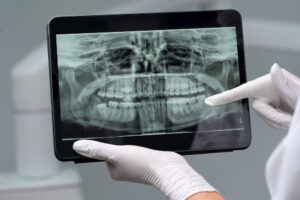
First, your dentist or doctor will check your mouth and face. They may ask about your symptoms and medical history. Next, you might need X-rays or scans to see the bones and teeth. After that, the oral maxillofacial surgeon will explain your options. You can ask questions about the surgery, risks, and recovery. This step helps you feel ready and informed.
Types of Oral Maxillofacial Procedures
There are many types of oral maxillofacial surgery. Some common procedures include:Wisdom tooth removalJaw surgery (orthognathic surgery)Dental implantsRepair of facial injuriesTreatment of cysts or tumorsCorrecting cleft lip or palateTreating sleep apnea
Each procedure has its own steps and recovery time. Your surgeon will guide you through the process.
What to Expect Before, During, and After Surgery
Before surgery, your doctor will give you instructions. For example, you may need to avoid food or certain medicines. During surgery, you will get anesthesia to keep you comfortable. The surgeon will perform the needed steps, which may take one hour or more. After surgery, you will rest in a recovery area. Most people can go home the same day, but some may stay longer. Your doctor will explain what to watch for as you heal.
Recovery Tips and Aftercare
Proper care after oral maxillofacial surgery helps you heal faster. Here are some helpful recovery tips:Rest and avoid hard activities for a few daysUse ice packs to reduce swellingTake medicines as prescribedEat soft foods like soup or yogurtKeep your mouth clean, but avoid brushing near the surgery siteFollow all instructions from your surgeon
If you notice heavy bleeding, fever, or severe pain, call your doctor right away. Good aftercare can lower the risk of problems and help you recover well.
Risks and Potential Complications
Like any surgery, oral maxillofacial procedures have some risks. These may include:Infection at the surgery siteBleeding or swellingNerve injury causing numbnessProblems with healingJaw stiffness
However, most people recover without serious issues. Your surgeon will discuss all risks before the procedure. Following aftercare tips can help prevent many problems. The American Association of Oral and Maxillofacial Surgeons and CDC provide more safety information.
Prevention and Oral Health Maintenance
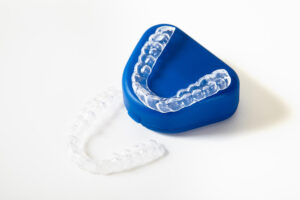
Good oral health can help prevent the need for surgery. Here are some simple steps:Brush your teeth twice a dayFloss daily to remove food and plaqueVisit your dentist for regular check-upsEat a healthy diet with less sugarWear a mouthguard during sports
Early treatment of dental problems can stop them from getting worse. Therefore, always talk to your dentist if you notice pain or changes in your mouth.
Conclusion
Oral maxillofacial surgery can solve many dental and facial problems. With the right care, most people recover well and enjoy better health. If you think you may need surgery, consult a qualified oral maxillofacial surgeon for personalized advice and treatment options.